501(c)(3) Nonprofit | EIN: 93-1552982 | Uganda TIN G240304-3804


.webp)

Our Programs in Uganda
Speakers for Africa is a U.S.-based nonprofit supporting education, sanitation, and student advocacy in Uganda. Our programs are designed to improve school conditions, expand access to clean water, and support students through sustainable, community-driven initiatives.
Education, Sanitation, Hygiene Programs
Supporting education, infrastructure, and community development


_edited_edited_edited_edited.jpg)


_edited_edited.webp)
Education, Sanitation, Hygiene Programs
Supporting education, infrastructure, and community development

Education Access in Uganda
Providing school supplies, desks, and learning materials to students in Uganda to improve access to quality education.

School Infrastructure Development
Building and repairing classrooms in Ugandan schools to create safe and sustainable learning environments

Sanitation & Hygiene Projects
Constructing pit latrines in Uganda and promoting hygiene education to improve student health and dignity.
Now supporting programs across three schools in Uganda

School Food & Agriculture Programs
Delivering daily meals to students in Uganda schools, improving attendance, focus, and long-term outcomes.

Female Health
Providing sanitary products and support to keep girls in school and strengthen female education in Uganda.

Student Athletic Programs
Supporting boys’ and girls’ soccer programs in Uganda to promote leadership, teamwork, and opportunity.

Education
Every child deserves the opportunity to learn. Speakers for Africa helps students across Uganda overcome barriers to education by providing essential school supplies, learning materials, and digital resources.
From books and notebooks to tablets and laptops, our support equips classrooms, strengthens literacy and digital skills, and empowers teachers to deliver quality education.
Together, we're creating brighter futures—one student, one classroom, and one community at a time.


Water is Life
When schools lack proper sanitation, students miss class, face health risks, and lose valuable learning opportunities.
IMPACT METRICS
Real, measurable change driven by your support.

1
School
Kitchen Renovated
1,000+ students have a safe and sanitary school kitchen and over 2,000 lunches served.

2
Schools
repaired and upgraded
Walls and roof repairs, and 50 school desks (each desk sits 5 students).

4
Sports Teams
Created
2 boys soccer clubs
1 Girls Soccer Club
1 Girls Volleyball

1
4-Stance Gender Sensitive Pit Latrine
360 students now have clean bathrooms
and handwashing stations.

2
School Gardens and 1 rural farm
Student-led gardening initiatives and 1 rural farm for school food.
🔢 KEY IMPACT METRICS
1,450+
Students supported with educational resources
3
Schools actively supported
2
Sanitation facility constructed
📈 HOW WE MEASURE IMPACT
We measure impact through school attendance data, program participation, and direct feedback from local partners, using these insights to ensure accountability, transparency, and continuous improvement across all programs.
ADDITIONAL PROGRAMS
%20(2).webp)
.webp)
Recycling Initiatives
.webp)
Solar Power

%20(1).jpg)


Lack of Access to Basic Education Need
Many children in Uganda cannot afford school
uniforms or daily meals, limiting attendance
and long-term opportunity.


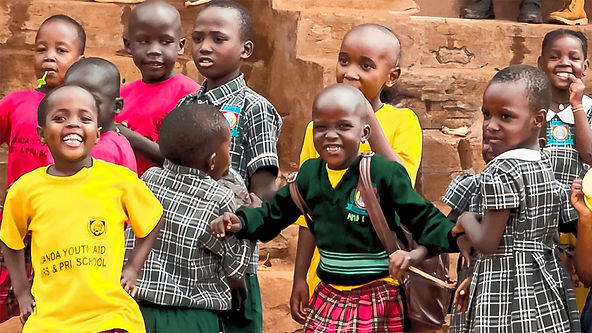
Sponsorship programs now make attendance possible. And improved nutrition programs with a renovated kitchen, lunches are availble.
CHILDREN LEARNING AT SCHOOL
Beyond the classroom, we connect youth in Uganda and Colorado through arts, sports, and cultural exchange—building confidence, understanding, and community.

DANCE
Through dance, youth in Uganda and Colorado connect—building confidence, cultural understanding, and opportunity.

SPORTS
Sports keep students engaged in school—building discipline, confidence, and a path toward a stronger future.

MUSIC
Music gives students a voice—connecting cultures and empowering youth to express who they are.

Rwakobo Pit Latrine, Uganda
Welcome visitors to your site with a short, engaging introduction. Double click to edit and add your own text.


%20.webp)